Home
ABOUT
BIOGRAPHY
WORK
CONTACT

スマホでご覧の方は、
画面を横向きにするとより見やすくなります。
Read the passage and choose the best answer among the four choices for each question.
The Spartan Army
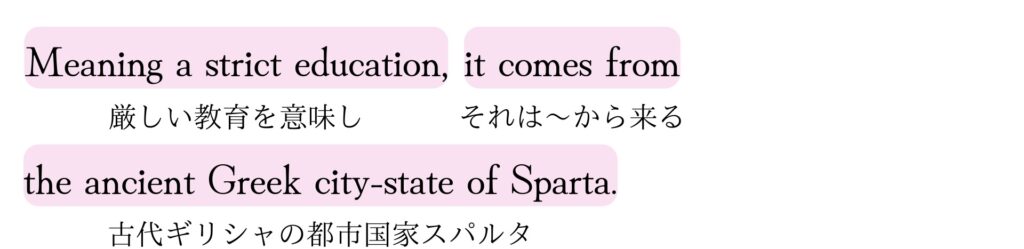
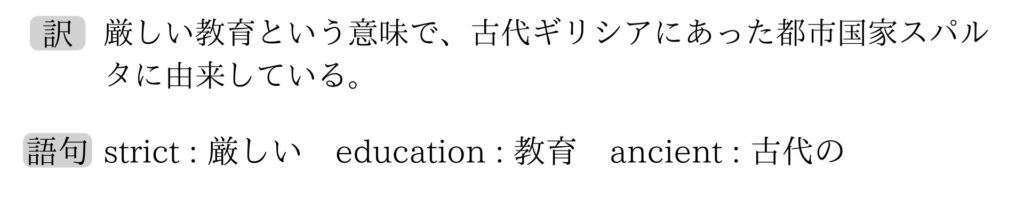
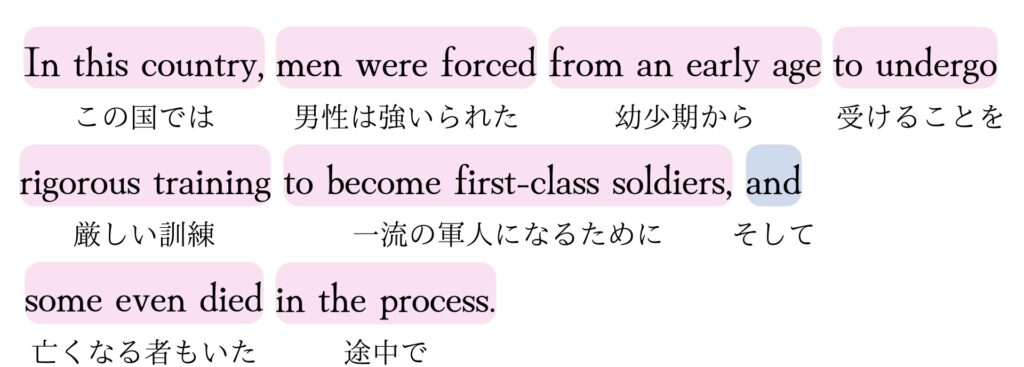
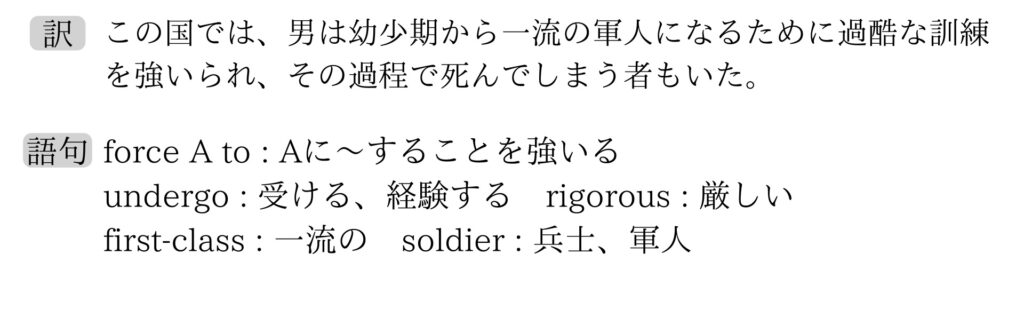
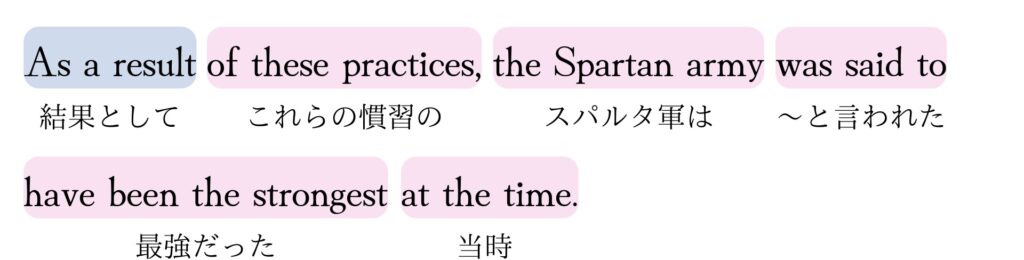
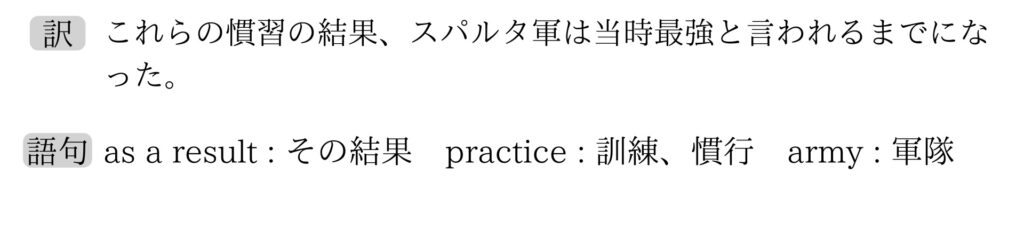
Do you know the origin of the term “Spartan education”? Meaning a strict education, it comes from the ancient Greek city-state of Sparta. In this country, men were forced from an early age to undergo rigorous training to become first-class soldiers, and some even died in the process. As a result of these practices, the Spartan army was said to have been the strongest at the time.
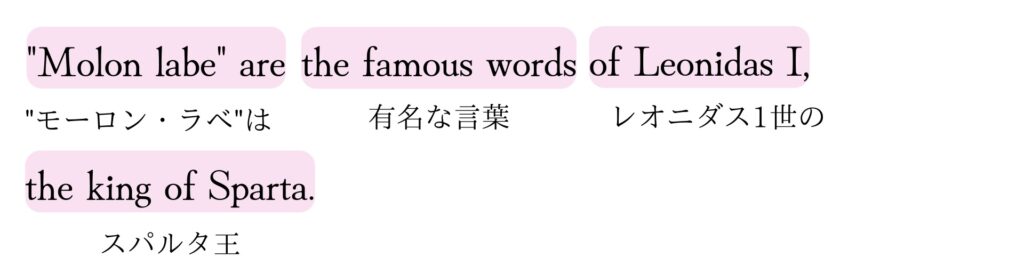
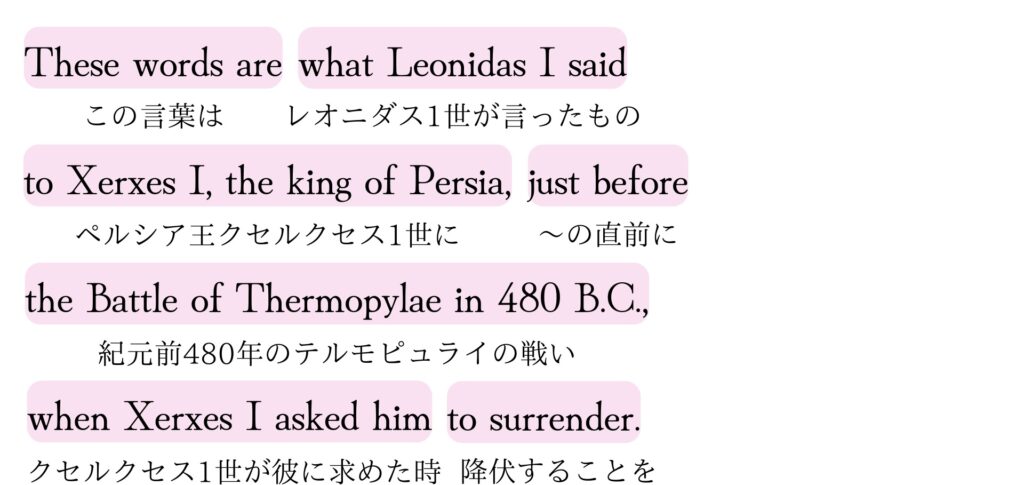
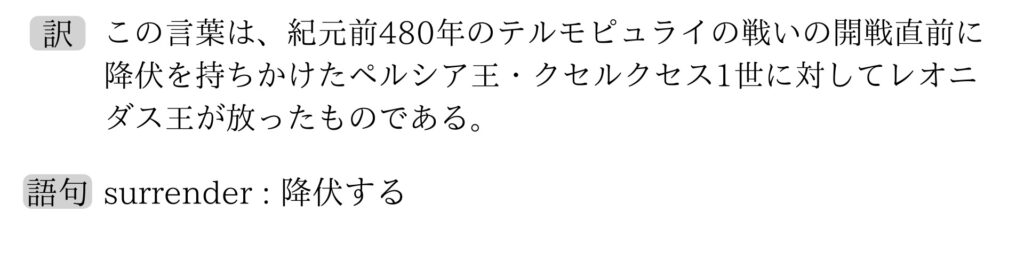
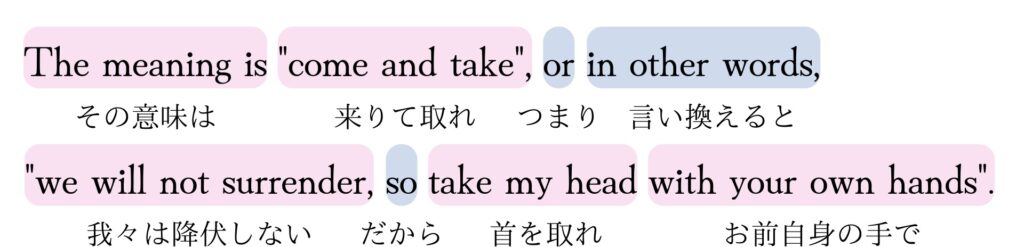
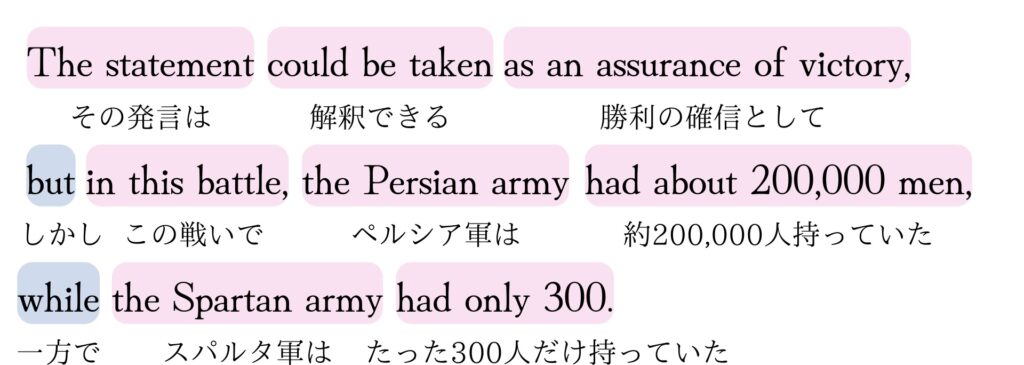
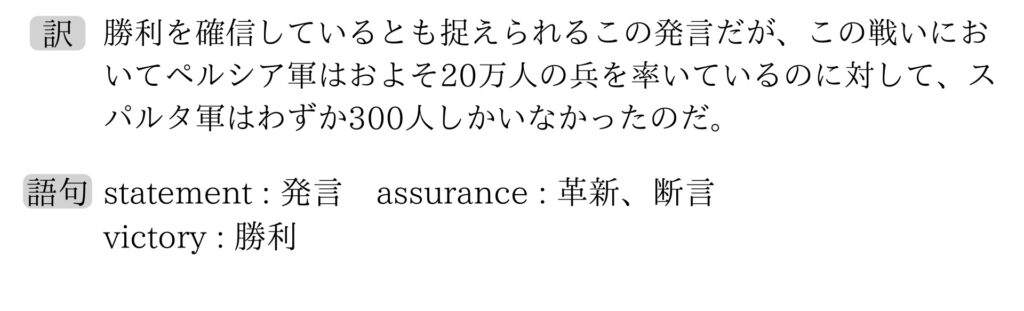
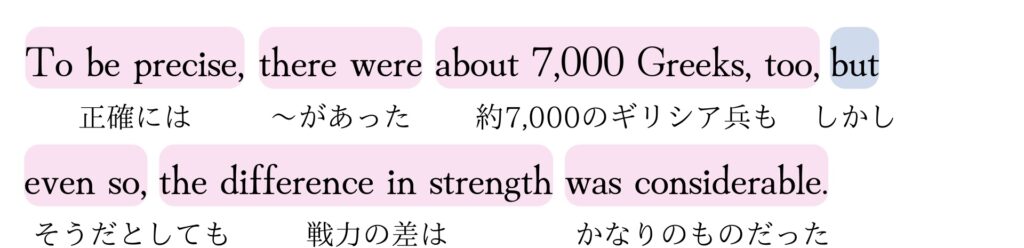
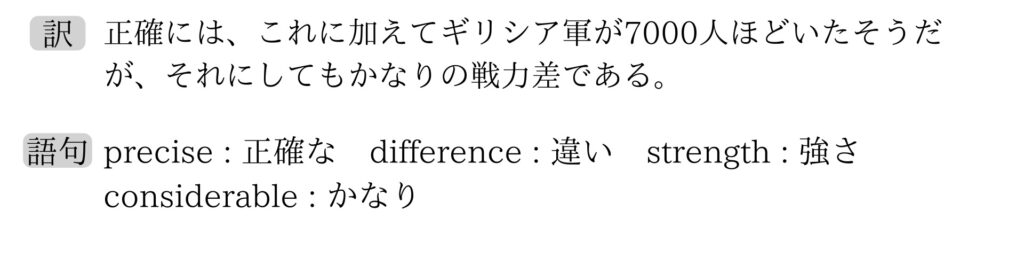
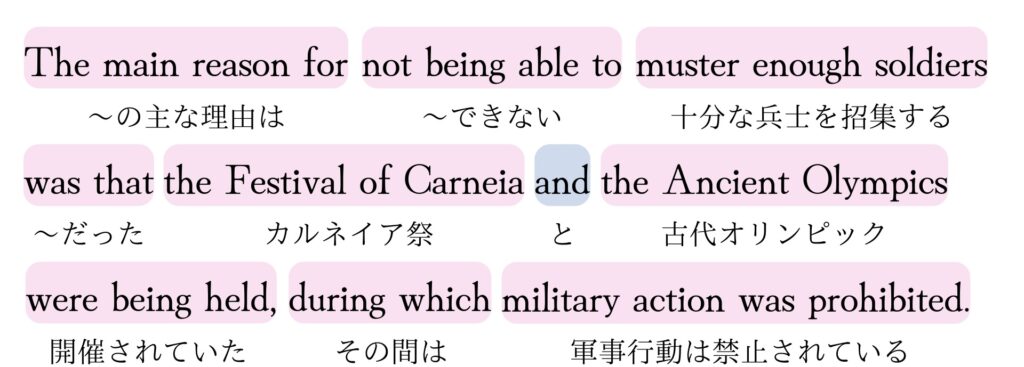
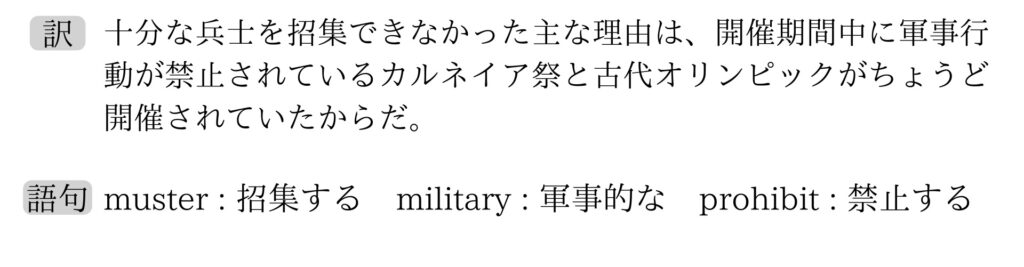
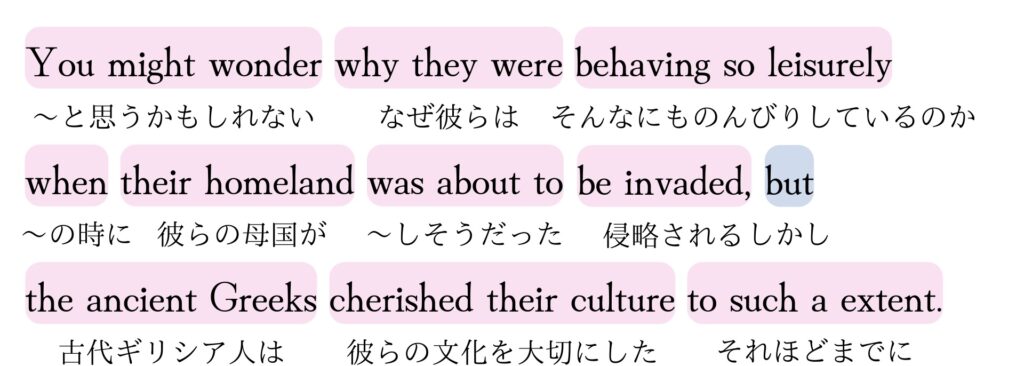
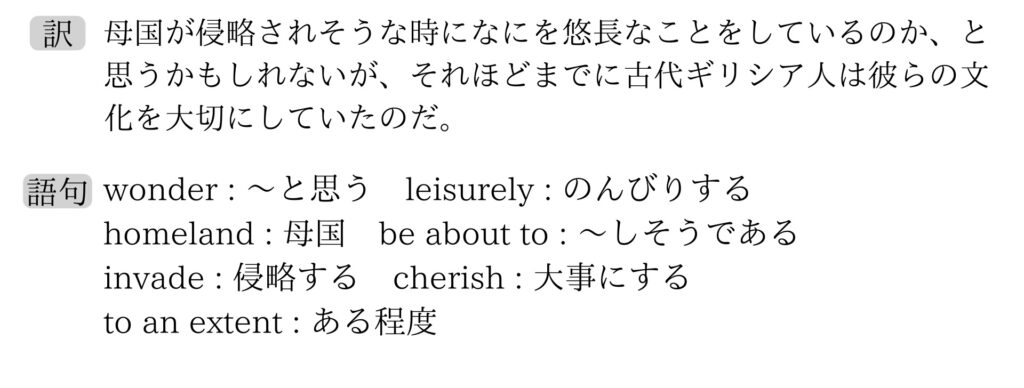
“Molon labe” are the famous words of Leonidas I, the king of Sparta. These words are what Leonidas I said to Xerxes I, the king of Persia, just before the Battle of Thermopylae in 480 B.C., when Xerxes I asked him to surrender. The meaning is “come and take”, or in other words, “We will not surrender, so take my head with your own hands”. This statement could be taken as an assurance of victory, but in this battle, the Persian army had about 200,000 men, while the Spartan army had only 300. To be precise, there were about 7,000 Greeks, too, but even so, the difference in strength was considerable. The main reason for not being able to muster enough soldiers was that the Festival of Carneia and the Ancient Olympics were being held, during which military action was prohibited. You might wonder why they were behaving so leisurely when their homeland was about to be invaded, but the ancient Greeks cherished their culture to such an extent.
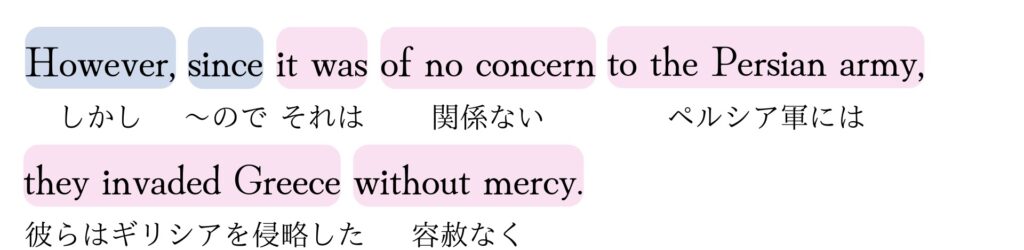
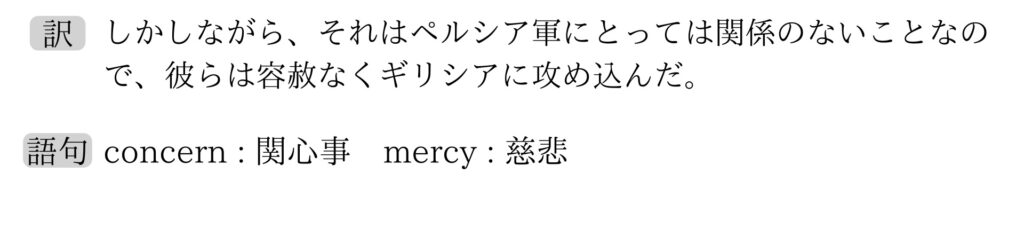
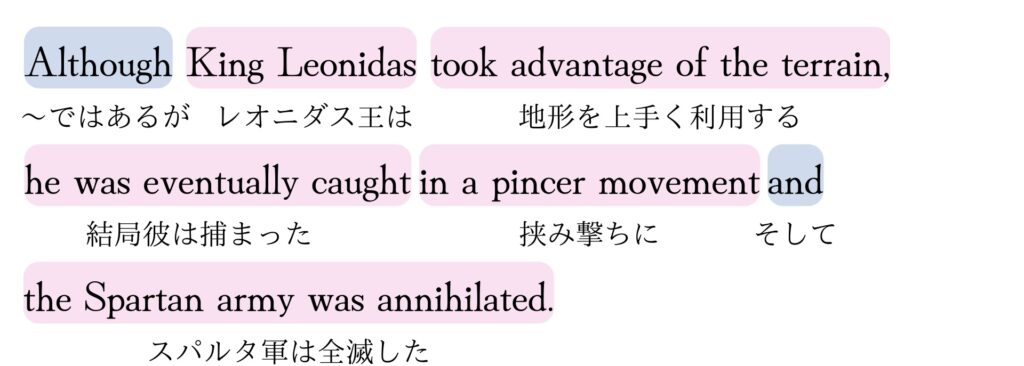
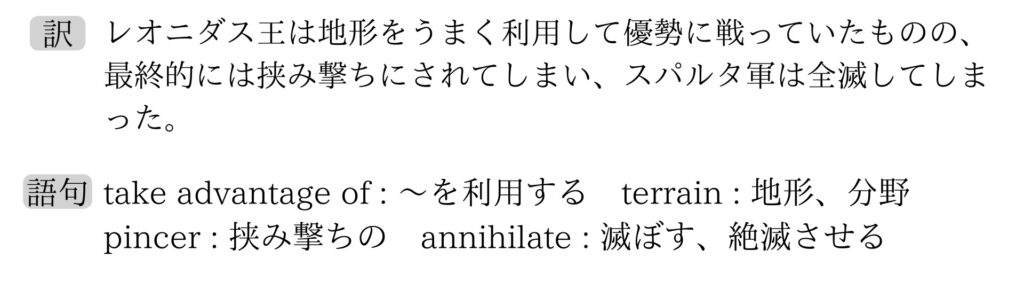
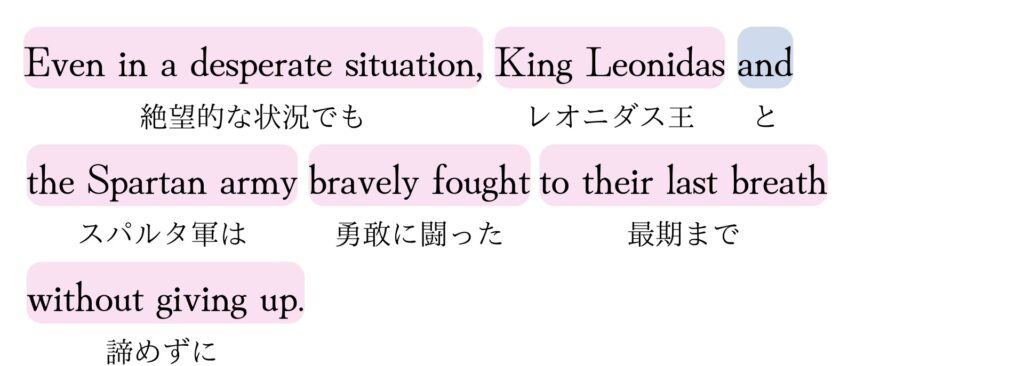
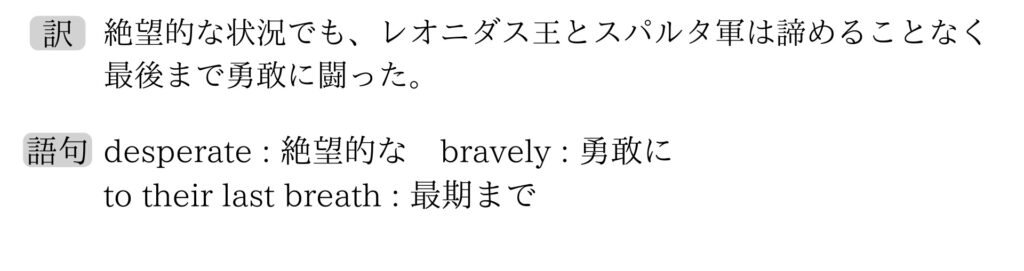
However, since it was of no concern to the Persian army, they invaded Greece without mercy. Although King Leonidas took advantage of the terrain, he was eventually caught in a pincer movement and the Spartan army was annihilated. Even in a desperate situation, King Leonidas and the Spartan army bravely fought to their last breath without giving up.
Practice!
Q1. How many soldiers did the Spartan side have in total?
Q2. What does “come and take” mean?
Q3 Sparta could not gather enough soldiers because
解答
Q1. 3
Q2. 2
Q3. 1
解説
Q1.
第2段落4,5文目で、スパルタ軍は300人、ギリシア軍は7,000人の戦力があったことが説明されている。よって、スパルタ陣営は合わせて7,300の戦力があったと言える。
Q2.
第2段落3文目で、”come and take”は言い換えると、”We will not surrender, so take my head with your own hands”と説明されている。直訳すると、”我々は降伏しない、お前自身の手で私の首を取りに来い”となるので、2が正解。
Q3.
第2段落6文目で、十分な戦力を招集できなかった理由として、”the Festival of Carneia and the Ancient Olympics were being held, during which military action was prohibited”と述べており、開催期間中の軍事行動を禁止するイベントがあったことがわかるので、1が正解。
解釈
第1段落


第2段落


第3段落
全訳
“スパルタ教育”という言葉の語源を知っているだろうか。厳しい教育という意味で、古代ギリシアにあった都市国家スパルタに由来している。この国では、男は幼少期から一流の軍人になるために過酷な訓練を強いられ、その過程で死んでしまう者もいたそうだ。これらの訓練の結果、スパルタ軍は当時最強と言われるまでになった。
“モーロン・ラベ”は、スパルタ王レオニダス1世の有名な言葉である。意味は、「来たりて、取れ」(come and take)、つまり、「我々は降伏などしないので、おまえらの手で直接俺の首を取ってみろ」ということだ。勝利を確信しているとも捉えられるこの発言だが、この戦いにおいてペルシア軍はおよそ20万人の兵を率いているのに対して、スパルタ軍はわずか300人しかいなかったのだ。正確には、これに加えてギリシア軍が7000人ほどいたそうだが、それにしてもかなりの戦力差である。十分な兵士を招集できなかった主な理由は、開催期間中に軍事行動が禁止されているカルネイア祭と古代オリンピックがちょうど開催されていたからだ。母国が侵略されそうな時に何を悠長なことをしているのかと思うかもしれないが、それほどまでに古代ギリシア人は彼らの文化を大切にしていたのだ。
しかしながら、それはペルシア軍にとっては関係のないことなので、彼らは容赦なくギリシアに攻め込んだ。レオニダス王は地形をうまく利用して優勢に戦っていたものの、最終的には挟み撃ちにされてしまい、スパルタ軍は全滅してしまった。絶望的な状況でも、レオニダス王とスパルタ軍は諦めることなく最後まで勇敢に立ち向かっていったそうだ。